Wholesale vs. Custom Manufacturing: Break-Even Model + Decision Tree
Compare costs, MOQs, lead times, and QC to choose the right path with a custom merchandise manufacturer using a practical break-even model and tree/
Wholesale, turnkey and full custom differ on cost structure, minimums, lead time and quality control. Wholesale runs a few weeks, turnkey six to twelve, full custom three to six months. Separate fixed development costs from variable unit costs and the crossover point becomes arithmetic rather than opinion.
- Define the three paths before debating them. Wholesale is decorated blanks; turnkey modifies stock bodies; full custom develops fabric, fit and hardware from scratch.
- Separate fixed costs, pattern development, grading, sampling, moulds and dies, from variable per-unit cost, and the break-even volume falls out of the two.
- Lead time is the sharpest trade-off: a few weeks for wholesale, roughly six to twelve weeks for turnkey, and three to six months for full custom.
- Quality control scales with the model. Wholesale gets inbound inspection and spot checks; full custom gets lab dips, strike-offs, fit approvals, pre-production samples and inline audits.
- Match the model to the stakes. Short promos and one-off giveaways do not justify custom; long-wear uniforms, executive gifting and premium retail packaging usually do.
When Your Merch Strategy Outgrows Basic Wholesale
At some point, a fast-scaling brand hits a wall with simple wholesale merch. Stock blanks with a logo feel fine for a quick event or a small test, but they start to fall short once your team wants control over fabric, fit, trims, and how the story of your brand shows up in real life. T-shirts, uniforms, hats, and packaging stop feeling connected, and that gap shows.
For corporate teams, that gap has real impact. When uniforms, event merch, and packaging do not line up, people read it as mixed signals. A premium product in average packaging, or a high-end lobby staffed in generic polos, can quietly pull your brand down. Inside the company, HR, procurement, and marketing may all have different vendors and standards, which leads to friction and wasted time.
What most teams need is a clear, numbers-based way to decide when to stay with wholesale, when to move into a turnkey custom program, and when it finally makes sense to build full custom manufacturing. We are going to walk through cost, MOQ, lead time, and quality control, then end with a simple decision tree you can share with your merch, brand, and operations teams.
Late Q2 is the sweet spot to think through all of this. There is still time to lock in fall launches, corporate gifting, conference kits, and even set the stage for next year’s budget cycle, before production calendars and freight windows start to tighten.
Defining Wholesale, Turn-Key, and Full Custom Clearly
Most internal debates get messy because not everyone is talking about the same thing. So first, we like to define the three main paths.
Wholesale, often called stock plus logo, means:
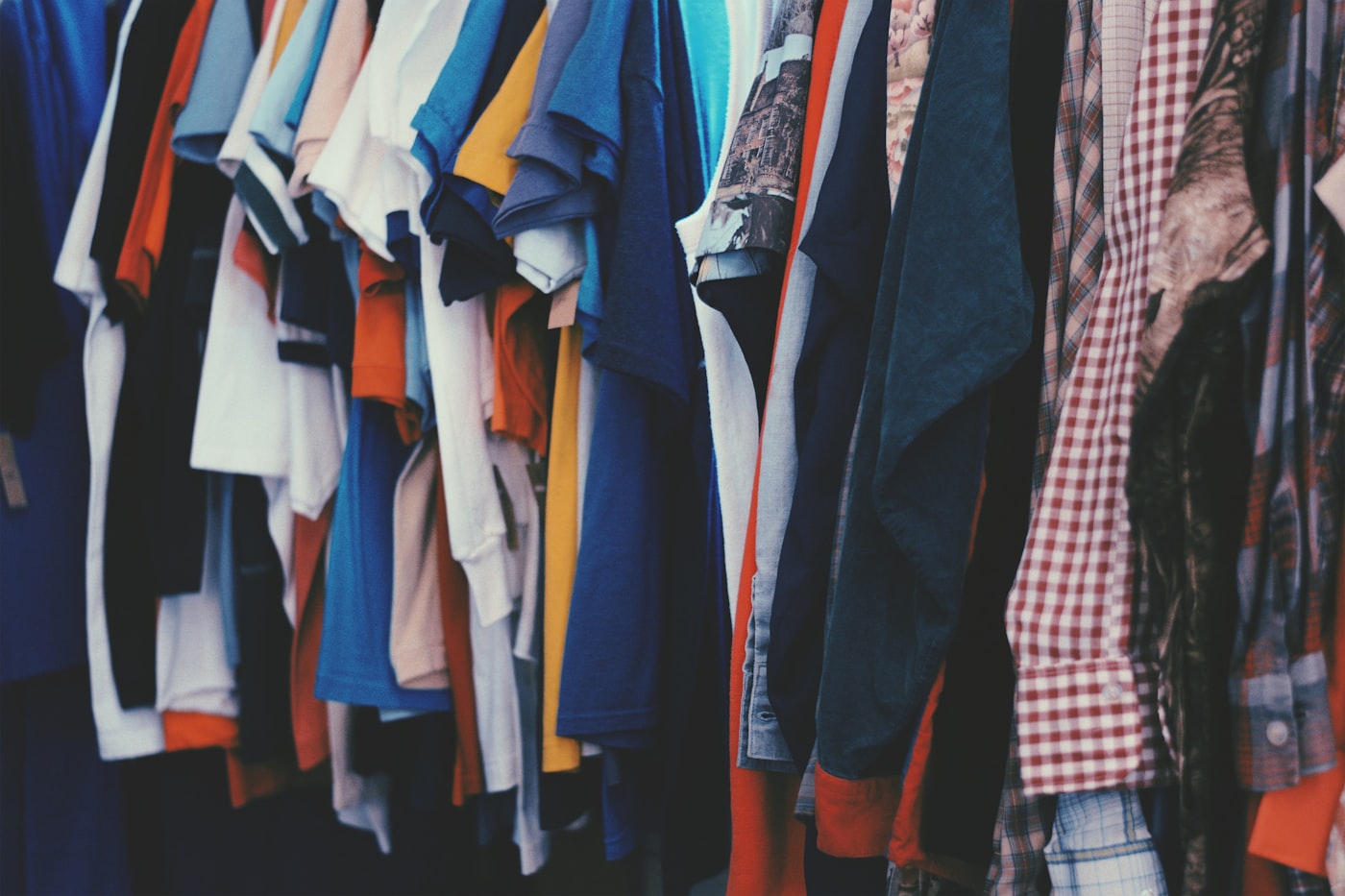
- Pre-made blanks and standard silhouettes
- Limited color and fabric options
- Your logo added with embroidery, print, or heat transfer
- Shorter timelines and low setup work
Wholesale is great when you need something fast, are testing a new idea, or have small, one-off needs.
Turnkey custom programs sit in the middle. Here, a custom merchandise manufacturer curates a tight assortment tailored to your brand. That can include:
- Modified stock bodies, like a custom collar or special label
- Elevated decoration, such as unique placements or mixed techniques
- Coordinated semi-custom packaging that matches the apparel or headwear
You get more distinction and better storytelling, without taking on full development for every piece.
Full custom manufacturing is where everything starts from the ground up. That can look like:
- Custom fabrics that deliver the hand-feel and performance your brand needs
- Bespoke fits graded to your size run and wearer profile
- Unique hardware, zipper pulls, badges, and woven labels
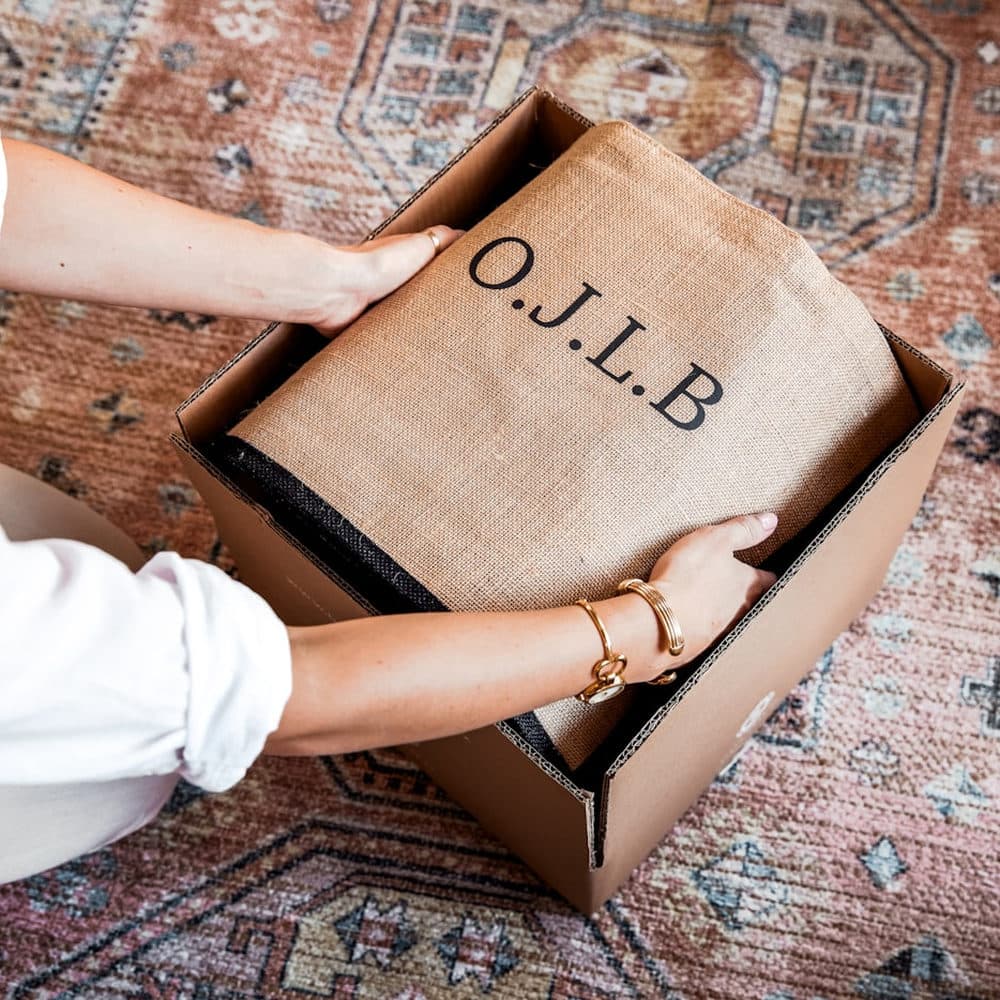
- Branded interiors and luxury packaging that carry your DNA through every touchpoint
This route shines for brands with clear identity, recurring volume, and a desire to own their look long term.
The Cost and MOQ Break-Even Math
When people talk about custom, they often jump straight to cost. The trick is to separate fixed costs from variable costs and see where they cross over.
Fixed costs on custom manufacturing might include:
- Pattern development and grading
- Sample rounds for fit and color
- Molds or dies for custom hardware or packaging
- Artwork and layout work across the line
These get spread over every unit you produce. At low volumes, the per-unit cost can look high compared to wholesale. As volume grows, those fixed costs get absorbed, and the per-unit price starts to drop below a stacked wholesale setup with premium blanks and decorations.
Variable costs, like fabric, trim, and sewing, move with each unit. On full custom, you have more control over those inputs, which can help fine-tune both quality and the long-term margin picture.
MOQ is where many projects hit reality. Standard ranges often look something like this:
- Apparel: higher minimums per color and style
- Headwear: tighter but still meaningful per-style minimums
- Luxury packaging: higher MOQs, especially for custom structures or special materials
A seasoned custom merchandise manufacturer can often design programs that share fabrics, colors, or trims across multiple SKUs or departments. That way, you hit mill and factory minimums with a smarter mix, instead of overbuying on a single item.
Over time, custom can support:
- Cleaner assortments with less clutter
- Higher perceived value and price points
- Fewer markdowns, since items feel special and brand-right
Lead Time, Seasonality, and Operational Risk
Timelines might be the biggest practical trade-off between these three models.
Typical windows look like this:
- Wholesale: usually a few weeks, depending on stock and decoration queues
- Turnkey custom: around 6 to 12 weeks, including approvals
- Full custom manufacturing: often 3 to 6 months, from development to delivery
When you plan by the calendar, Q2 decisions shape what is possible later. For example:
- Fall uniform refreshes need early design and forecasting
- Q4 gifting programs should be scoped and approved before the busy season
- Major spring conferences benefit from final samples locked well before winter
Each model handles risk differently:
- Wholesale: low commitment, strong flexibility, easier reorders if stock exists
- Turnkey: more structure, still some agility with common bodies and trims
- Full custom: greatest control and brand consistency, but needs better forecasting and storage planning
The right pick depends on how much risk you are ready to hold in inventory, and how precise your demand signals are.
Quality Control, Brand Equity, and the Decision Tree
Quality control scales as you move from wholesale to full custom. With wholesale products, QC usually looks like:
- Inbound inspections
- Random checks across size runs
- Spot testing of decoration and color
Custom programs add more levers:
- Lab dips and strike-offs for color accuracy
- Fit approvals and wear tests before production
- Pre-production samples to confirm details
- Inline checks and final audits at the factory level
When color is off, fabrics feel rough, or trims clash, people may not say anything, but they do notice. In B2B, hospitality, retail, and corporate spaces, those details shape trust and signal how much care your company puts into its people and guests.
There are smart times to accept good enough quality:
- Short-lived promos
- One-time giveaways at internal meetings
- Low-stakes awareness items
And there are moments to hold a higher bar:
- Long-wear uniforms for front-of-house teams
- Executive and client gifting
- Luxury shopper packaging for premium product lines
So how do you decide which model fits each need? We like to walk teams through a simple set of questions:
- What is your hard deadline, and how firm is it?
- What volume do you realistically see per style, per year?
- Is your brand positioned as value, premium, or luxury?
- How many internal approvals are needed across HR, marketing, and procurement?
- Do you have storage space and logistics support for bulk deliveries?
- Is your budget built around one-off projects or ongoing programs?
From there, patterns appear:
- New brand test or small pilot: wholesale, maybe with a light turnkey touch
- Fast-growing consumer label exploring merch: turnkey, to learn what works while lifting the look
- Established corporate uniform program: full custom core styles, supported by turnkey and select wholesale
- Multi-location retail gifting or loyalty program: turnkey kits, with a few fully custom hero items
Many brands move in stages. They start with curated wholesale, shift into turnkey assortments as they scale, then adopt full custom manufacturing on the pieces that matter most once they see consistent demand and clear brand direction.
Turning Insight Into Your Next On-Brand Collection
In the end, the goal is not to be the most custom brand in the room. The goal is to match your cost structure, MOQ, lead time, and QC level to where your business actually stands right now, and where you want it to be in the next few seasons.
As a fashion-driven custom merchandise manufacturer based in Toronto, DMerchandising Inc. helps corporate teams and growing brands audit current wholesale-heavy programs, map out break-even points for custom, and build smart, elevated capsules across apparel, uniforms, headwear, and packaging. When merch, uniforms, and packaging align, every touchpoint your customers and employees feel tells the same sharp, on-brand story.
Get Started With Your Project Today
Partner with DMerchandising Inc. to turn your ideas into high-impact products that align with your brand and your budget. As a trusted custom merchandise manufacturer, we collaborate with you from concept through production to deliver quality results on schedule. Whether you need a single hero item or a full product line, our team is ready to help you move from planning to production with confidence. Reach out today so we can discuss your goals and outline the next steps for your project.
Frequently asked questions
What is the difference between wholesale, turnkey and full custom?
Wholesale decorates pre-made blanks. Turnkey modifies stock bodies with custom collars, labels or coordinated packaging. Full custom develops the fabric, the fit, the hardware and the interior from scratch to your specification.
How long does custom manufacturing take?
Wholesale is usually a few weeks depending on stock and decoration queues. Turnkey custom runs around six to twelve weeks including approvals. Full custom manufacturing typically takes three to six months from development to delivery.
When is custom manufacturing worth the minimum order quantity?
When the fixed development costs are spread across enough units to bring the per-piece cost near wholesale, and when the programme is long-lived enough to reorder against the same pattern. Short promotional runs rarely clear that bar.
How does quality control differ between the models?
Wholesale relies on inbound inspection, random checks across the size run and spot testing of decoration. Full custom adds lab dips and strike-offs for colour, fit approvals and wear tests, pre-production samples, and inline checks at the factory.