10-Point Fashion Upgrade Scorecard for Corporate Merch (With Checklist)
Upgrade corporate merch with a 10 point scorecard. Learn how custom merchandise for businesses improves fit, sustainability, and wear rate.
Score every piece of merch against ten points before you order it: trend relevance, brand codes, size inclusivity, sustainability and wear rate among them. Price, timing and logo size tell you nothing about whether anyone will actually wear the thing.
- Most buying processes score price, timing and logo size. None of those predicts whether a piece gets worn twice.
- Wear rate is the point of the whole scorecard. Ask how often a real person reaches for the item in a normal week, and treat 'maybe once' as a failing score.
- Size inclusivity is a culture signal before it is a sizing decision. People should feel seen in the gear, not squeezed into it.
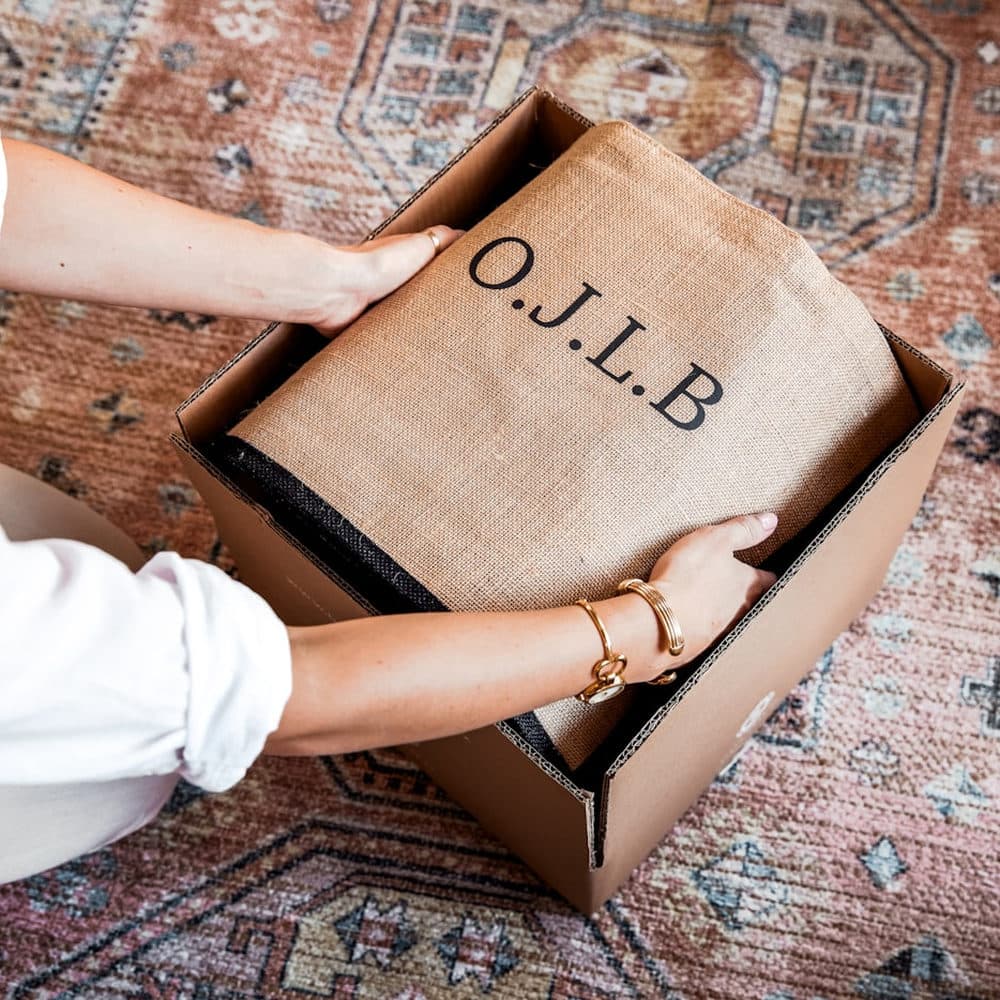
- Packaging scores on the same ten points as the apparel. A plain shipper undoes an upgraded garment.
- Split ownership of the scorecard across teams: marketing takes trend and brand codes, HR takes fit and culture, procurement takes vendor standards, sustainability takes materials.
Turn Corporate Merch Into a Fashion Asset
Corporate merch should not feel like an afterthought tossed on a table at check-in. It is a mini fashion line with your logo on it, one of the most visible ways people experience your brand in real life. When someone pulls on a cap, a hoodie, or opens a box with your name on it, they are getting a quiet message about your taste, your culture, and your standards.
That is why we treat custom merchandise for businesses as fashion, not just swag. In this guide, we are sharing a 10-point Fashion-Upgrade Scorecard you can use to judge every piece of merch and packaging. It is built for marketing, HR, and procurement teams planning summer events, conferences, or new fiscal launches, and it comes with practical examples plus a checklist you can download and use with your internal teams and vendors.
Why Corporate Merch Needs a Fashion-Grade Scorecard
Most buying processes focus on three things: price, timing, and logo size. Those details matter, but they do not tell you if people will actually wear or keep the item. That part comes from trend relevance, brand codes, sizing inclusivity, sustainability, and real-world wear-rate.
When merch misses on style or fit, hidden costs show up fast:
- Low adoption and boxes of leftover inventory
- Staff and clients who feel left out by limited sizes or awkward shapes
- Fewer impressions at summer events, airports, and offsites
- A brand story that feels dated or off-base
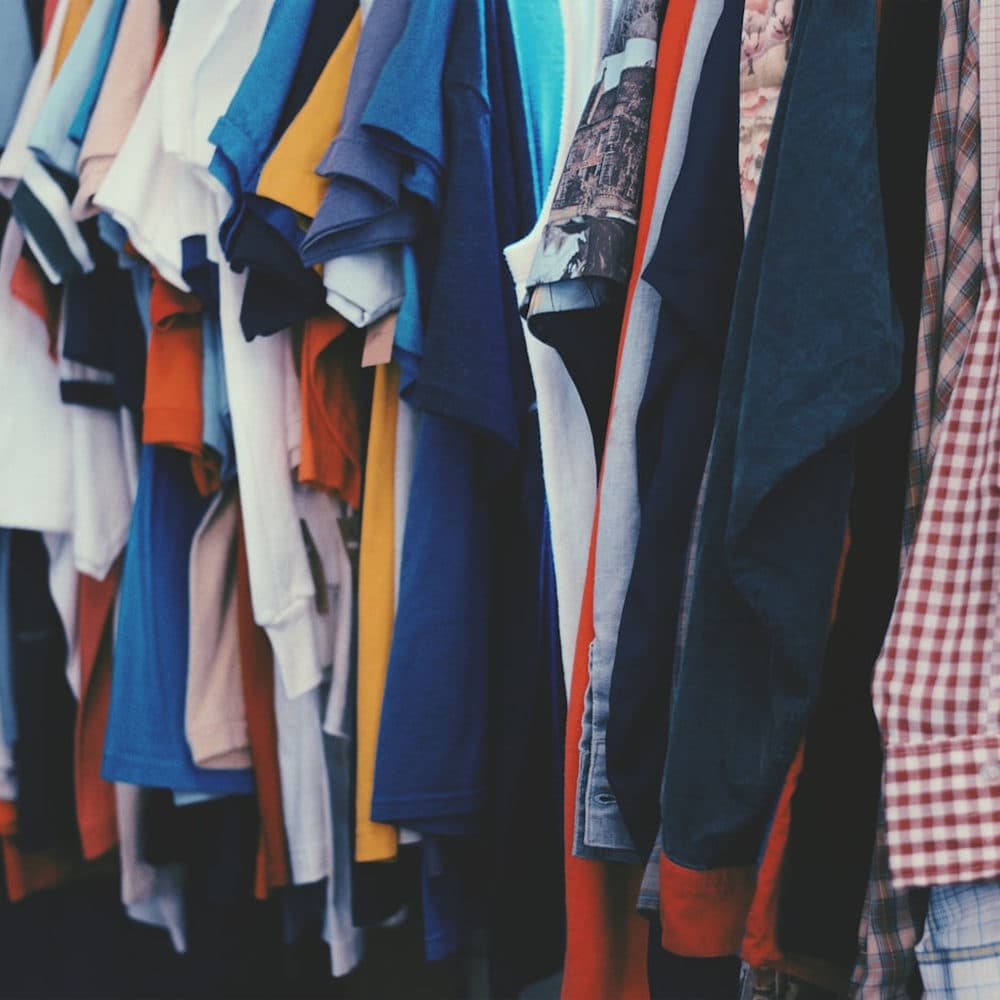
Think about a giveaway tee with a stiff fabric and boxy cut. Most people wear it once for a photo, then it slides to the back of the drawer. Now compare that to a soft, well-cut tee in a current color, with a subtle graphic that feels like something from a favorite store. That piece gets worn every week, shows up in photos, and quietly moves through offices, gyms, and flights.
A fashion-grade scorecard gives marketing, brand, HR, and operations a shared language to raise the bar. It makes it easier to review current merch programs and set higher expectations with partners like DMerchandising Inc when you plan what comes next.
The 10-Point Fashion-Upgrade Scorecard Explained
Here is how to think through each point when you look at your merch and packaging.
Trend Relevance
Are the silhouettes, colors, and fabrics current, or do they feel a few seasons behind? Colors do not have to be wild, but they should feel modern. For late spring and summer, that might mean lightweight layers, breathable caps, and pieces that work in AC and warm sidewalks. Being slightly ahead of the season can stretch the life of the item so it still feels fresh longer.
Brand Codes and Visual DNA
Strong brand merch does more than blow up a logo on the chest. Look at:
- Signature colors and how they are blocked or trimmed
- Materials that match your industry and feel
- Graphic language, from stripes to typography
- Finishing details like closures, labels, and stitching
Ask if the item would still feel like “you” even with the logo removed. If yes, you are honoring your brand codes instead of defaulting to logo overload.
Sizing Inclusivity and Fit
Your workforce and customer base do not come in one shape, so your merch should not either. Score each program on:
- Size ranges that match who you actually dress
- Multiple fits where it matters, like tailored and relaxed
- Patterns graded with real bodies in mind, not just scaled up
Inclusive sizing sends a loud signal about culture and belonging. People should feel seen when they put on your gear, not squeezed or swimming.
Sustainability and Material Integrity
Sustainability is about choices at every step, from fiber to finish. When you review items, look for:
- Recycled or responsibly sourced fibers where appropriate
- Durable fabrics that hold shape and color
- Thoughtful trims, tags, and closures
- Packaging that limits waste or can be reused
These details support employer brand and ESG goals, and they also help you hold vendors accountable to the standards you set.
Wear-Rate and Lifestyle Alignment
Wear-rate is the heart of the scorecard. Ask one simple question: how often will a real person in your world reach for this item in a normal week? Then check:
- Does it work at the office and on casual weekends?
- Would someone pack it for a flight or offsite?
- Does it layer well with things people already own?
If the honest answer is “maybe once,” that is a low score. The goal is weekly wear in real life, not one-time use.
Applying the Scorecard to Custom Merchandise for Businesses
Internal Culture and Employer Brand
For HR, people ops, and DEI teams, the scorecard is a quick way to check uniforms, employee apparel, and onboarding kits before mid-year hiring waves and summer internship programs. Review each item through the 10 points and ask:
- Does this help new hires feel proud on day one?
- Do our fits and sizes match the real team standing in the office?
- Does the style reflect where the company is headed, not where it was?
Customer and Partner Gifting
Marketing and sales teams can use the scorecard to reset gifting calendars around summer retreats, trade shows, and user conferences. Instead of defaulting to the same assortment every year, rate each idea on trend, brand DNA, sustainability, and wear-rate. Pick pieces people would pack in a carry-on, not just toss in a swag drawer.
Retail-Grade Packaging Touchpoints
Packaging should be part of the fashion story, not a plain box that feels off-brand. Review shipper boxes, tissue, bags, and seasonal drops for:
- On-trend colors and finishes
- Clear expression of brand codes
- Sustainable boards, papers, and inks
- Reuse-rate, like boxes or bags people keep around
When packaging is aligned, the unboxing moment feels closer to a retail experience than a shipment.
Before and After Examples of a Fashion Upgrade
Employee Apparel Capsule
Before: a basic kit with generic polos, one-size caps, and a unisex tee, all heavy fabric and oversized logos. Sizes do not match your real team, and most pieces only show up on specific “company pride” days.
After: a capsule with:
- Gender-conscious fits and a true size range
- Breathable fabrics that work in warmer weather
- Updated silhouettes, like crop options and clean crewnecks
- Brand colors used in smart blocking and trim instead of one giant logo
Score both across all 10 points and it is clear which one supports culture and wear-rate.
Event Merch Refresh
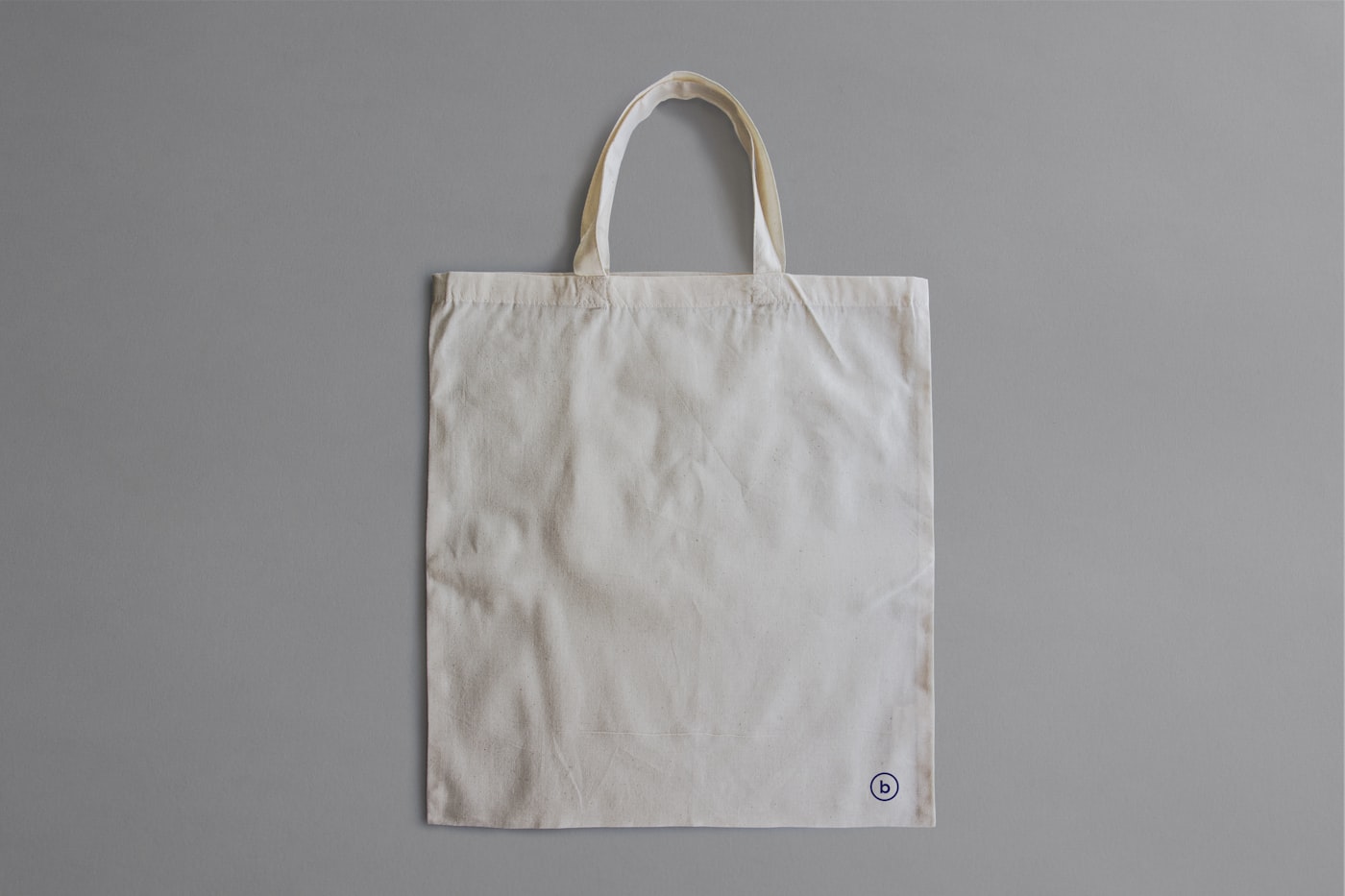
For a spring or summer conference, the “before” list often includes lanyards, stress balls, and bulky hoodies that are tough to pack. The upgraded set might swap those for elevated caps, commuter-ready layers, and premium totes that fold flat and hold up to daily use. The trend relevance, sustainability, and wear-rate scores climb quickly with that kind of shift.
Packaging Reimagined
A plain shipper box with a sticker turns into a luxury, on-brand moment when you upgrade materials, match your color and typography system, and choose a structure people want to keep on a shelf. When you rate it with the same scorecard you use for apparel and headwear, you create a consistent fashion story from garment to packaging.
How to Use the Downloadable Checklist with Your Team
To put the scorecard into practice, start simple.
First, audit your current inventory with the checklist. Pull a few core programs, like onboarding kits or conference merch, and score each item across the 10 points. Next, define what “good” looks like for your brand by agreeing on minimum scores or non-negotiables, such as inclusive sizing or a baseline for sustainable materials. Finally, use those benchmarks when you brief your custom merchandise partner so they can design straight to those standards.
Cross-functional use makes the tool even stronger. Marketing can own trend relevance and brand codes, HR can own fit and culture impact, procurement can own vendor standards and timing, and sustainability leads can own material and packaging choices. Seasonal planning meetings, like Q2 and Q3 reviews or back-to-office pushes, are a natural time to bring out the checklist and score what is coming next.
When you are ready to raise the bar, download the Fashion-Upgrade Checklist, score at least one current program, and carry those insights into your next merch and packaging conversation. At DMerchandising Inc., we build fashion-led custom merchandise and packaging that turns every touchpoint into an on-brand, high-wear fashion asset.
Get Started With Your Project Today
Bring your brand to life with thoughtful, high-impact merch tailored to your customers and your team. At DMerchandising Inc., we collaborate with you to design and produce custom merchandise for businesses that supports your goals and budget. Whether you are refreshing your marketing toolkit or launching a new initiative, we are ready to help you move from idea to finished product. Reach out today so we can help you plan your next successful merch project.
Frequently asked questions
What should a corporate merch scorecard measure?
Trend relevance, brand codes, size inclusivity, sustainability and wear rate, alongside the practical constraints of price and timing. The first five predict whether the item gets used; the last two only tell you whether it can be bought.
How do you know if branded merch is worth the spend?
Cost per wear rather than unit cost. An item worn weekly for a year is cheap at almost any price; an item worn once for a photograph is expensive at any price. Ask honestly how often someone in your world would reach for it.
Why does size range matter for company apparel?
Because a size run that leaves people out is read as a statement about who the company is for. Grading patterns for real bodies, and offering more than one fit where it matters, costs less than the cultural damage of getting it wrong.
Should packaging be part of a merch review?
Yes. Packaging is the first thing the recipient touches and often the last thing they keep, so it should be scored on the same criteria as the product: colour, brand expression, materials and whether anyone would keep it.