Corporate Merch Style Audit: Step-by-Step Framework for Fit, Brand, and ROI
Learn how to evaluate fit, fabric, and brand alignment to improve custom merchandise for businesses and boost ROI with a practical audit framework.

Audit what you already own before ordering anything new. Inventory it, judge fit and fabric the way a buyer would, test whether it still looks like the brand today, then turn the findings into a small core collection with seasonal drops rather than a bigger catalogue.
- Start by laying everything out. Apparel, headwear, uniforms, soft goods and packaging, grouped by who it is for and what it is for.
- Judge fit first, because nothing else matters if the fit is wrong. Silhouette currency, sizing consistency across styles, and whether people have to size up or down to be comfortable.
- Then fabric: handfeel, weight, breathability, stretch and durability, against the rooms and journeys the piece actually has to survive.
- Check the brand against today rather than against the guidelines it was ordered under. Colour drift, logo placement and decoration method all age.
- The output is a tighter system, not a longer catalogue: proven core staples, rotating seasonal layers, and clear tiers for internal, client and executive pieces.
Turn Branded Swag Into a High-Performing Style System
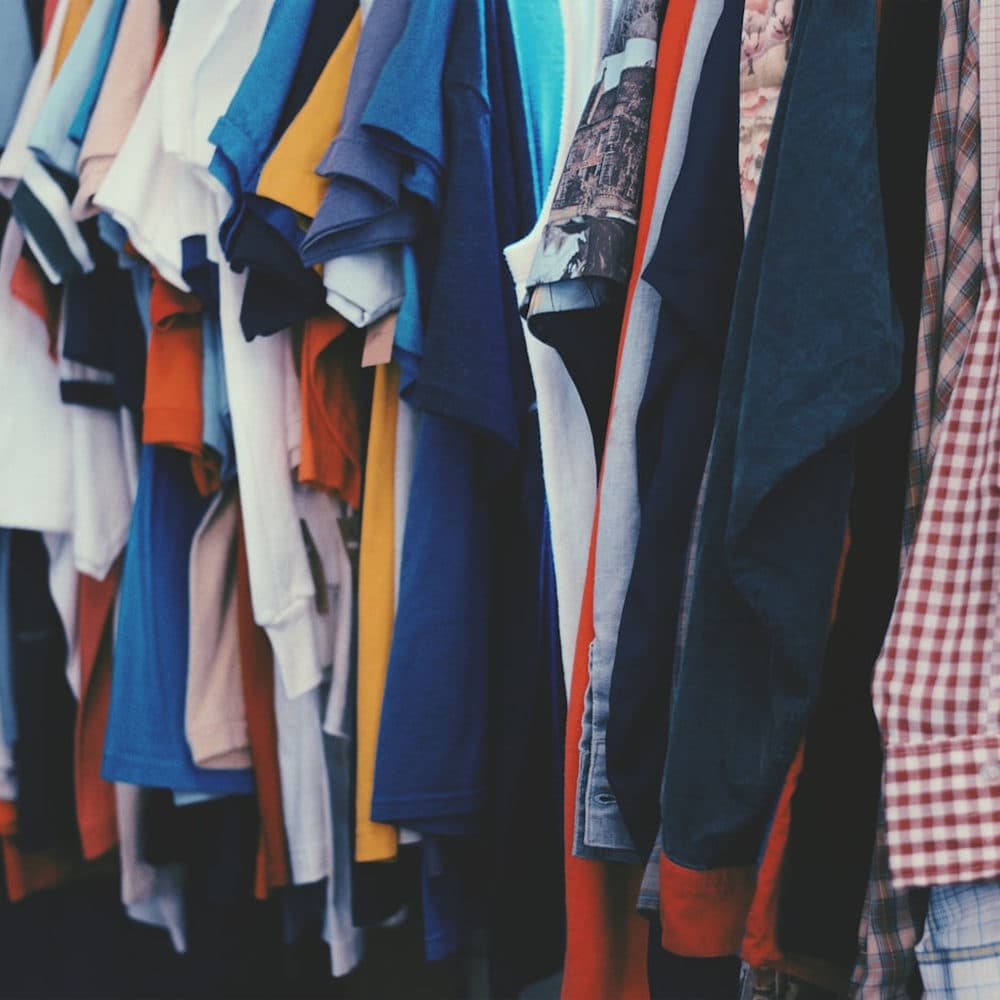
Most companies have a merch closet that tells a rough story: random polos, stacks of old tees, dated hats, strange colors, and a few boxes no one touches. That clutter is not just a storage problem; it is wasted budget and a weak brand moment every time someone grabs the wrong item. When merch is not worn, you lose a chance to show up in the world the way your brand deserves.
A corporate merch style audit fixes that. It is a clear, step-by-step review of fit, fabric, brand alignment, and ROI, not just a logo check. When we treat merch like a real product line instead of a swag bin, we get higher adoption, more consistent brand impressions, stronger employee pride, and much better performance from custom merchandise for businesses.
Map the Merch Landscape Before You Make Changes
Before we replace a single tee, we need to understand what already exists. Think like a merch archaeologist. Pull everything out, lay it all on the table, and see the full picture.
Start by inventorying all categories, in every channel, not just what is in one closet:
- Apparel, like tees, hoodies, button-downs, outerwear
- Headwear, like caps, beanies, visors
- Uniforms for front-of-house, field, and retail teams
- Promotional items, like bags or small soft goods
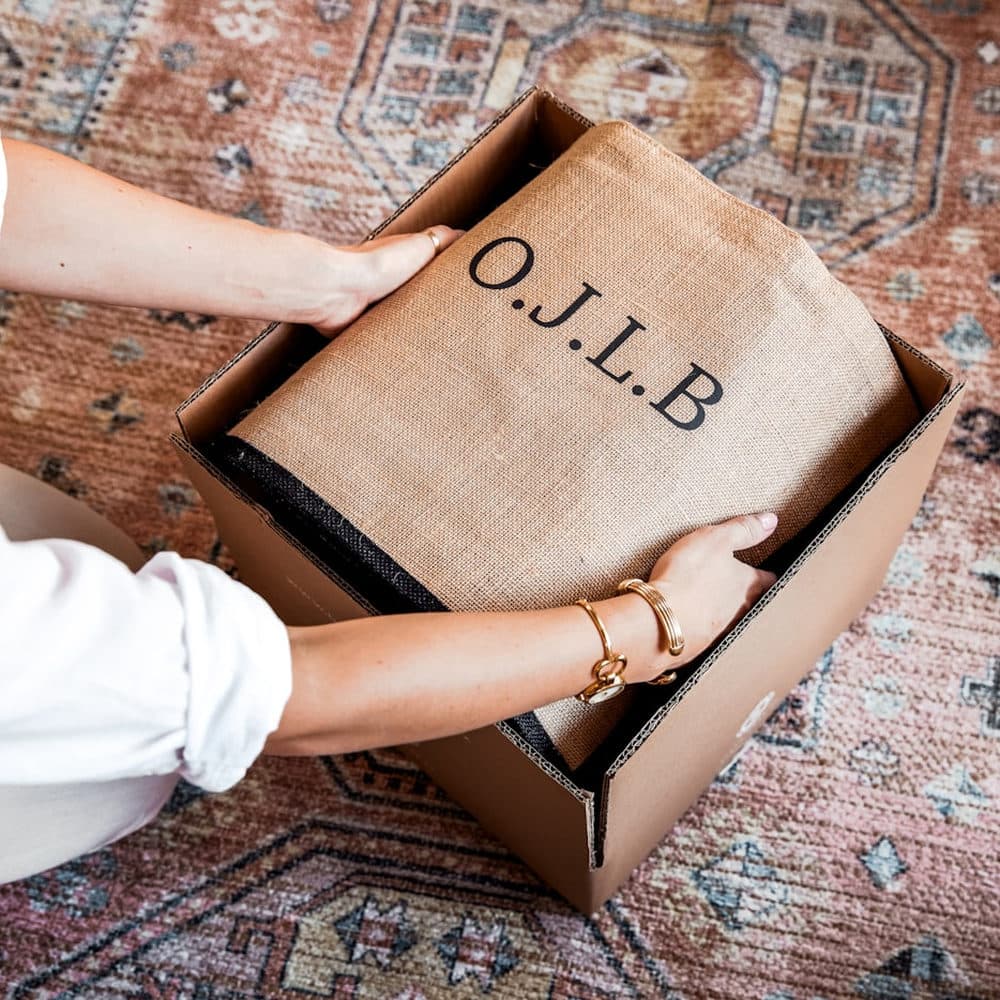
- Branded packaging, from gift boxes to tissue and ribbons
Then segment by who and what each piece is for:
- Internal teams vs external clients or partners
- Executive gifts vs mass trade show giveaways
- Everyday uniforms vs casual lifestyle apparel
- Employee welcome kits vs event-specific capsules
Now gather baseline data. Talk with HR, marketing, and operations. Look at what actually moves and what just sits:
- Usage and wear rates: what people reach for first
- Stock levels and reorders: what keeps running out
- Feedback and complaints: fit issues, comfort, color problems
- Seasonality: what you really need during spring launches, conference season, or busy sales periods
This step gives you a clear starting point so every change has a reason behind it.
Evaluate Fit and Fabric Like a Fashion Buyer
Once we know what we own, we judge it the way a fashion buyer would, not just a promo planner. That means we start with fit. If the fit is wrong, nothing else matters.
Review fit across your core styles:
- Are the silhouettes current or stuck in an old, boxy look?
- Is sizing consistent from style to style?
- Do you have gender-inclusive and size-inclusive options that work for real bodies?
- Do people have to size up or down to feel comfortable?
Next, look at fabric performance. Think about how and where people actually wear these pieces. In many places, commutes, travel days, and mixed indoor-outdoor weather mean people need smart layers and breathable fabrics:
- Handfeel: does it feel soft and premium or stiff and scratchy?
- Weight: is it too heavy for conference rooms, too light for travel days?
- Breathability and stretch: can people move, present, and travel in comfort?
- Durability: does it hold color, shape, and decoration after repeated washing?
Then balance quality and cost. Very often, a small upgrade in fabric or construction makes a piece go from “drawer clutter” to “weekly favorite.” Technical features like moisture-wicking, stretch, or wrinkle resistance can dramatically raise wear rates and the perceived value of your brand.
Pressure-Test Brand Alignment Across Every Touchpoint
Now we ask a simple question: does all of this look and feel like your brand today? Not your brand from years ago, your brand right now.
Start with your visual identity:
- Are colors close to your brand palette, or drifting too light, dark, or saturated?
- Is logo placement flattering and thoughtful, or slapped on wherever it fits?
- Are decoration methods like embroidery, patches, or screen prints aligned with your brand level?
- Do packaging finishes, like boxes or tissue, feel premium or like an afterthought?
Then check the style language. If your brand is minimal and modern, but your merch looks sporty and loud, there is a disconnect. If your brand speaks luxury but your fabrics and fits feel budget, people notice, even if they do not say it out loud.
Finally, look at portfolio coherence. Lay out apparel, headwear, uniforms, and packaging together. Do they feel like a single collection, or a patchwork of one-off projects from different years and different teams? A strong merch system feels like one story told through many pieces.
Quantify ROI and Plan Smart Seasonal Refreshes
Style is not just about taste, it is also about performance. A smart merch audit ties every choice back to results. To do that, we focus on a few practical metrics.
Key performance signals include:
- Cost per wear: which pieces are worn constantly vs once and forgotten
- Adoption rates: what people request, reorder, or try to “borrow”
- Impact on engagement: how merch supports onboarding, recognition, and events
- Client response: which items get real excitement or follow-up notes
Once you see what works, you can confidently cut low-usage, low-impact items. That frees up budget to put into higher-performing categories, like elevated apparel, premium headwear, or thoughtful packaging that makes gifting moments feel special.
Then build a seasonal plan. For spring-forward capsules, we often suggest:
- Lighter fabrics with soft but durable knits
- Transitional layers like vests, light jackets, or overshirts
- Updated color stories that tie to brand colors without feeling too matchy
- Pieces that travel well for conferences and sales meetings
Map a simple 12-month calendar so your merch stays fresh, but your core styles stay consistent. That way, you avoid constant reinvention while still giving people something new to look forward to.
Build a Future-Ready Merch Capsule with a Strategic Partner
The output of a strong style audit is not a bigger catalog, it is a tighter, smarter system. Turn your findings into a core collection plus thoughtful seasonal drops that line up with key campaigns, hiring waves, trade shows, and leadership events.
A future-ready merch capsule often includes:
- A small set of year-round core staples with proven fit and fabric standards
- Rotating seasonal layers and color updates tied to your marketing calendar
- Clear tiers for internal, client, and executive-level pieces
- Aligned packaging that makes every item feel intentional and on-brand
This is where a fashion-driven manufacturing partner becomes important. When design, fit, fabrication, headwear, uniforms, and luxury branded packaging are managed under one roof, you get a cleaner, more cohesive story across every touchpoint. Internal teams can spend less time chasing samples and more time shaping how the brand shows up.
At DMerchandising Inc., we focus on translating brand identities into premium, on-trend physical products that actually get worn and remembered. A thoughtful corporate merch style audit is the first step to turning scattered swag into a streamlined style system that looks good, feels good, and works hard for your business.
Get Started With Your Project Today
If you are ready to turn your logo and ideas into impactful branded pieces, we are here to help you create merchandise that truly fits your goals. At DMerchandising Inc., our team collaborates with you to design and produce high-quality items that support your marketing, sales, or employee engagement efforts. Explore our custom merchandise for businesses to see how we can bring your brand to life. Reach out to our team to discuss timelines, budgets, and concepts so you can move from planning to production with confidence.
Frequently asked questions
How do you audit existing company merchandise?
Inventory everything physically, group it by audience and purpose, then score each item on fit, fabric, brand alignment and actual usage. Reorder frequency and complaints are the most honest data you already hold.
What should you check first, fit or fabric?
Fit. A premium fabric in a poor silhouette still does not get worn, whereas a modest fabric in a good cut often does. Sizing consistency across styles matters as much as the silhouette itself.
How often should a merch programme be refreshed?
Keep a small core of year-round staples with fixed fit and fabric standards, and rotate seasonal layers and colour updates against the marketing calendar. That avoids both stagnation and a catalogue nobody can manage.
What metrics show whether merch is working?
Cost per wear, adoption and reorder rates, and what people ask for or quietly take. Those tell you far more than unit cost, which only describes what was spent rather than what was gained.