When Corporate Merchandise Becomes a Private Label Line
Learn how private label manufacturing turns corporate merchandise into retail-quality lines that elevate branding, boost loyalty, and build recognition.
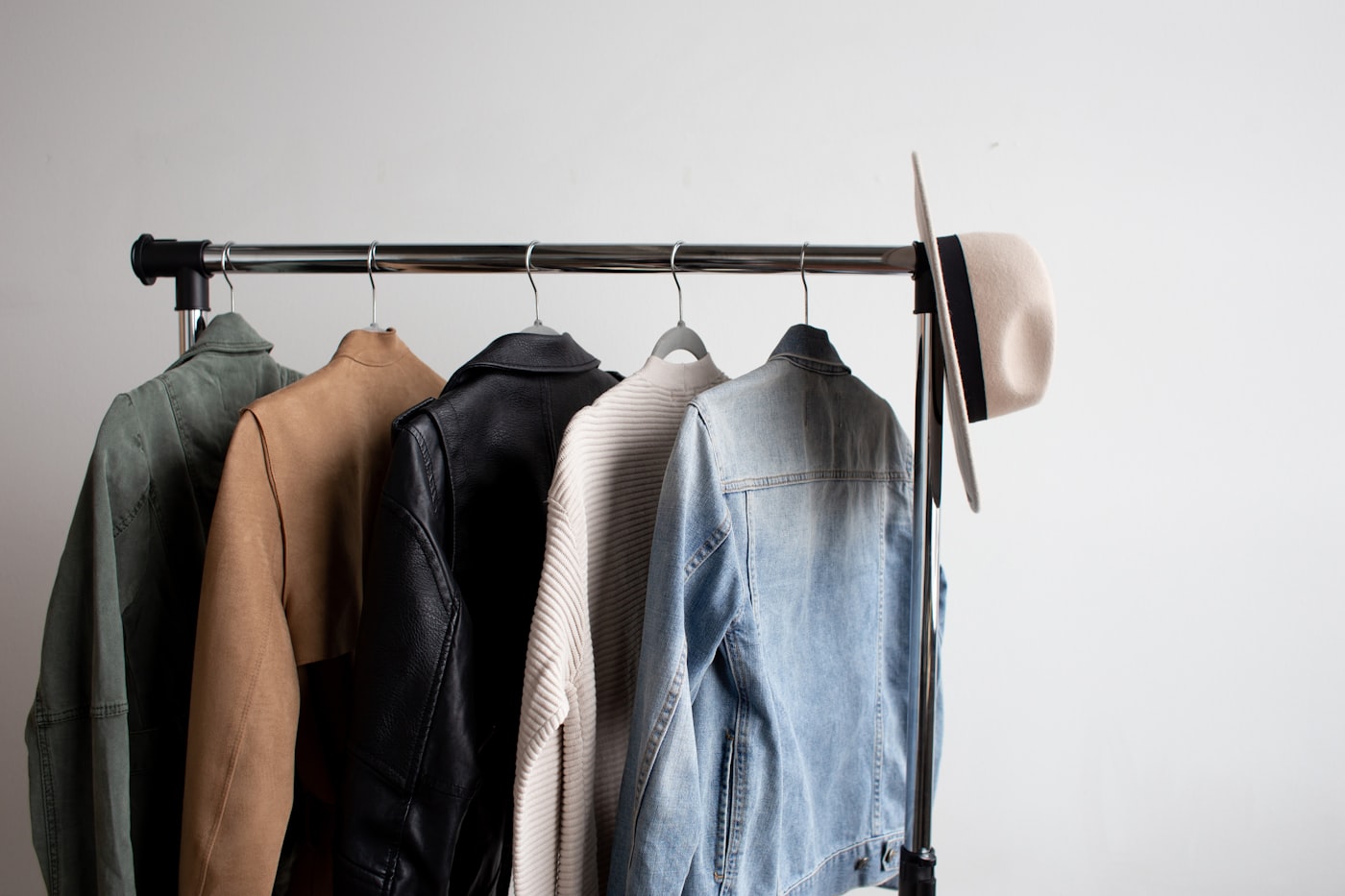
Private label manufacturing treats merchandise as a collection rather than a series of orders: your own fits, fabrics, trims and labels, developed through discovery, design, material selection and sampling. The result sits beside retail rather than under it.
- One-off ordering produces items that work individually and look random together. Collections are what make a brand read as deliberate.
- The shift is from logo placement to lifestyle expression: current silhouettes, a palette that echoes the brand without shouting it, and graphics that nod rather than advertise.
- Construction is where private label separates from decorated stock. Stitching that survives daily wear, hardware that feels solid, and custom labels and tags.
- The process runs discovery, concept design, material selection, sampling and production, and skipping the early stages is what produces expensive disappointment later.
- Once it is a line rather than an order, it can be measured: wear rates, social visibility, redemption and repeat requests, which then feed the next season's forecast.
When Corporate Merchandise Becomes Something Bigger
Corporate swag does not have to feel like an afterthought. When it is done with a fashion mindset, it can sit right next to retail brands and hold its own. That shift is what turns basic giveaway items into a true private label line that people reach for again and again.
In this article, we will walk through how that shift happens, why it matters for your brand, and how private label merchandise manufacturing can turn uniforms, caps, tees, and packaging into a connected collection that actually tells your story.
When Branded Swag Evolves Into a Fashion Line
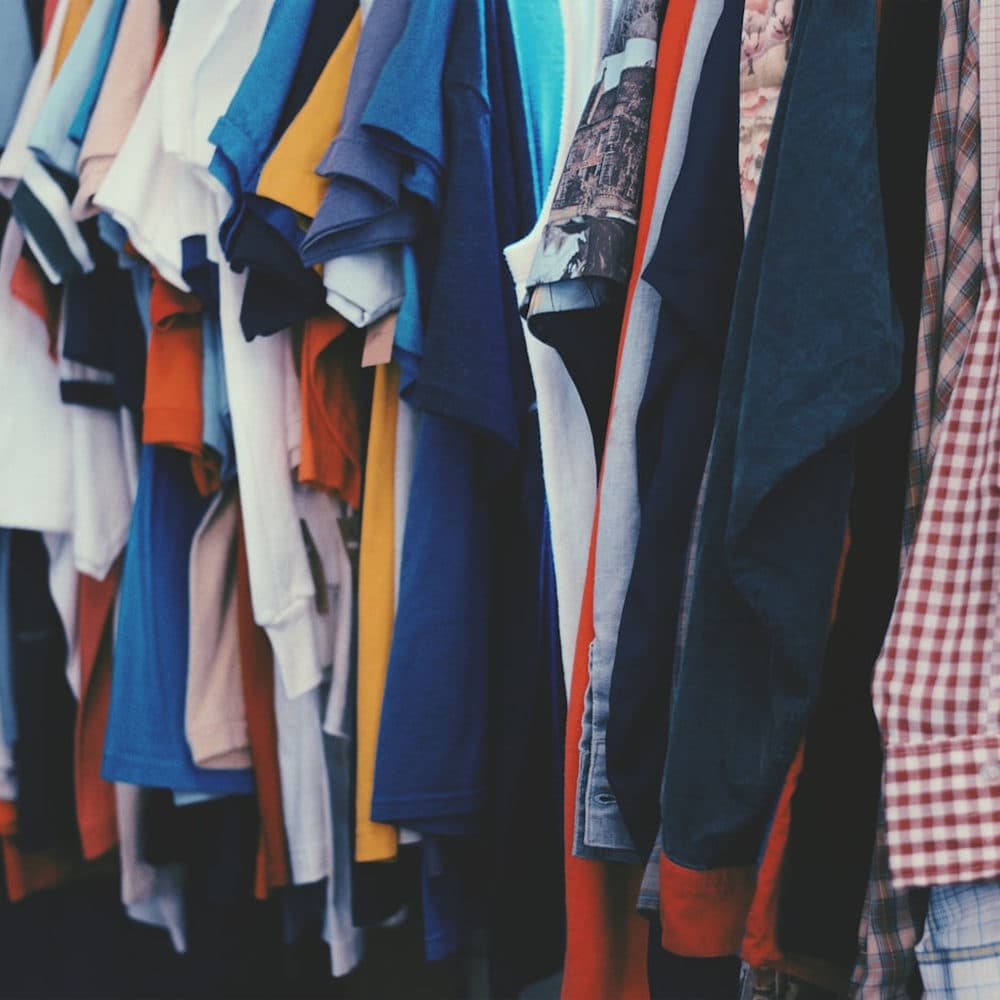
Most companies start with simple branded merch. A T-shirt here, a cap there, maybe a tote bag for a conference. It works, but it often feels random and forgettable. When you treat merchandise as a brand asset instead of a line item, everything changes.
With a fashion-driven approach, corporate pieces can look and feel like a retail collection by focusing on:
- Thoughtful design that fits your brand story
- Elevated fabrics and trims that feel good in real life
- Cohesive packaging so every item feels part of the same family
Private label merchandise manufacturing is the bridge between a basic promo program and a full branded apparel line. It is where custom patterns, color stories, and packaging come together under your name, not a retail logo.
The upside is real for brand leaders. You get stronger affinity, more touchpoints, and even the chance to build internal or client-facing collections for midyear events, seasonal launches, and holiday gifting that people are proud to wear and share.
From Logo Placement to Lifestyle Brand Expression
There is a big difference between slapping a logo on a hoodie and creating a piece someone would buy in a store. The logo is still there, but it is no longer the whole story.
A lifestyle-led approach looks at:
- Current silhouettes like relaxed crews, cropped fits, structured caps
- Color palettes that echo your brand but feel modern and wearable
- Graphics that nod to your identity without feeling like an ad
At DMerchandising Inc., we partner with corporate teams to translate brand guidelines into apparel, headwear, uniforms, and accessories that feel retail-ready. That might mean rethinking a brand color into a softer shade for apparel, or using tone-on-tone embroidery for a subtle, premium look.
The details matter just as much as the design. Fit needs to work on real bodies, not just a flat sketch. Fabric choice sets the tone, whether it is a soft fleece, a technical weave, or a premium cotton blend. Then we refine the finishing touches, like:
- Stitching that holds up to daily wear
- Trims and hardware that feel solid, not flimsy
- Custom labels and tags that make each piece feel like part of a private label line
When those pieces come together, your merch stops feeling like “company gear” and starts feeling like part of a lifestyle brand.
How Private Label Merchandise Manufacturing Works
Private label merchandise manufacturing may sound complex, but with the right partner, it follows a clear, collaborative path.
A typical process looks like this:
- Discovery and brand immersion, where we learn your values, audience, and visual language
- Concept design, building out themes, color stories, and product mixes
- Material selection, choosing fabrics, trims, and packaging textures that support the concept
- Sampling, so you can see, feel, and wear-test pieces before committing
- Production, moving approved designs into full scale manufacturing
When you consolidate apparel, headwear, uniforms, and luxury packaging with one partner, you get tighter control over fit, color, decoration, and finishes across every category. That means your conference hoodie matches your store uniforms, which match your executive gift sets and holiday packaging.
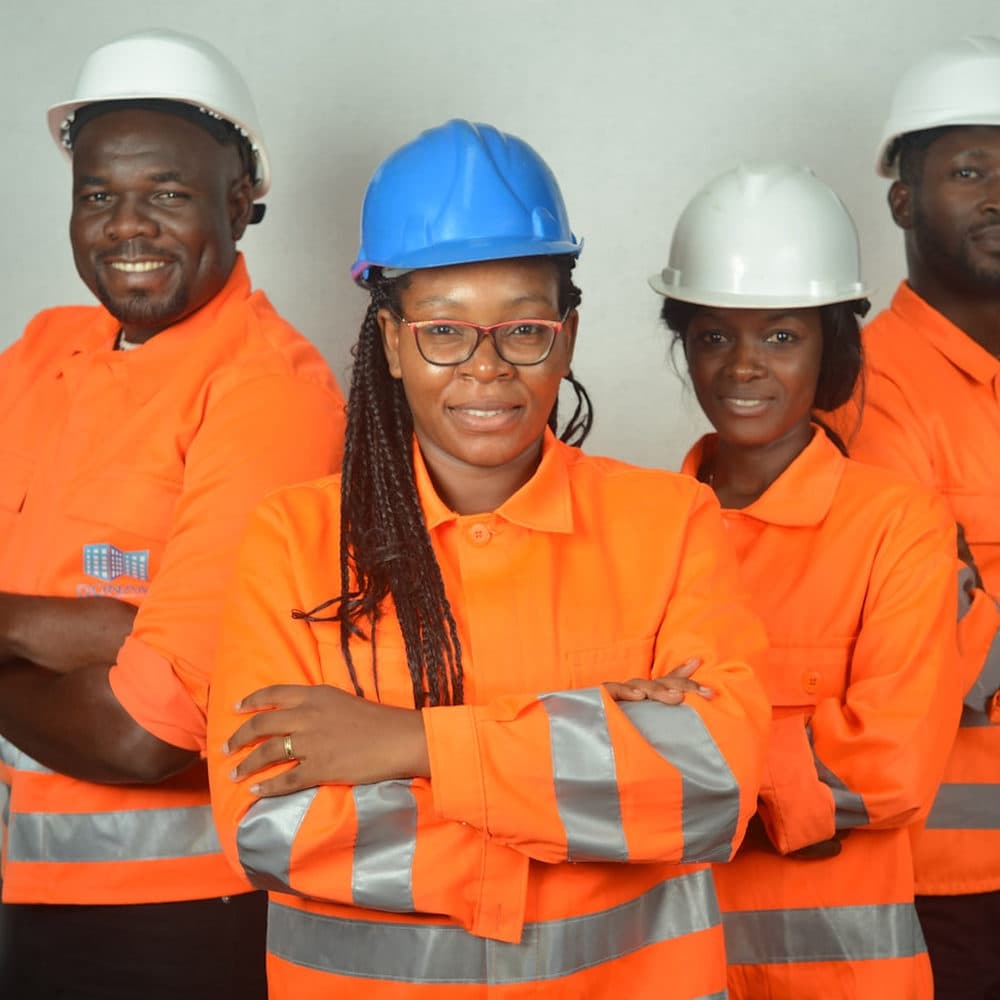
A fashion-driven, custom-first manufacturer like DMerchandising Inc. understands that you have to balance retail aesthetics with corporate realities like compliance, scalability, and timelines. Our job is to protect the brand while also protecting your calendar.
Building a Cohesive Collection Across Every Touchpoint
Once you start thinking in collections instead of one-off items, the whole experience levels up. You can plan a seasonal story that shows up in uniforms, internal apparel, customer merch, and gifting.
For example, a spring collection might include:
- Light layers and breathable fabrics for staff working both indoors and outside
- Caps and bags for trade shows and outdoor events
- Coordinated gifting pieces for key partners or VIP clients
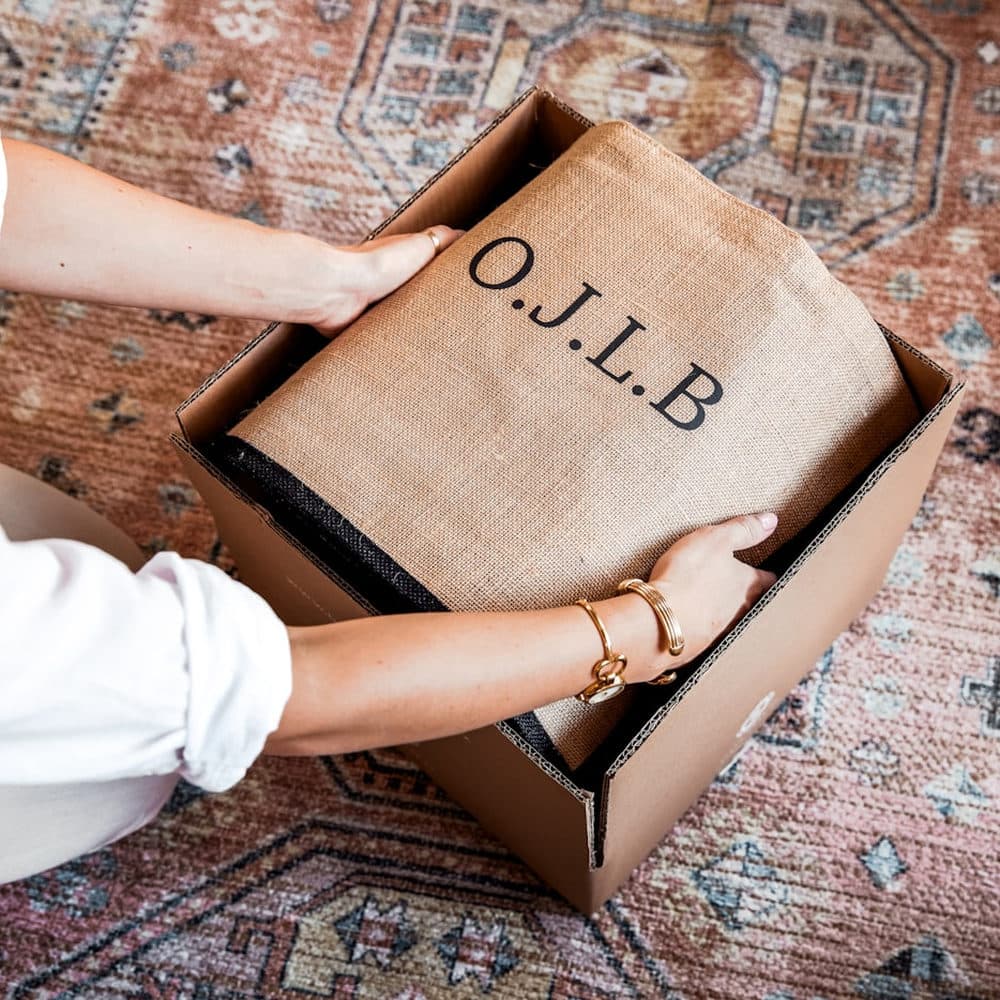
Packaging is part of the collection too. Luxury branded packaging turns a simple hoodie or cap into something people remember opening. We focus on:
- Textures that feel good in hand, like soft-touch or linen-style materials
- Structures that protect the product and look premium on a desk or shelf
- Closures, ribbons, or seals that tie back to your brand language
- Custom interior prints or messages that reinforce your story
Timing matters. Aligning collections with real business moments increases impact and usage. Many teams plan drops around:
- Spring product launches or sales meetings
- Summer field events and conferences
- Fall planning sessions
- Q4 and holiday gifting, when packaging and presentation carry extra weight
A unified approach makes each season feel intentional instead of rushed or random.
Measuring the Impact of an Elevated Merchandise Line
When your corporate merchandise becomes a private label line, you can actually measure how well it is working. Instead of guessing, you can watch how people respond.
Helpful signals to track include:
- Wear rates, how often employees and clients choose your pieces in real life
- Social media visibility, when people post outfits, unboxings, or event looks
- Gift redemption and usage, whether high-value sets are opened, used, and kept
Premium, fashion-forward items tend to see more real use, which cuts down on boxes of leftover swag collecting dust. Many brands are moving from large volumes of basic items to fewer, better pieces that carry more meaning and longer life.
A structured private label merchandise manufacturing program also helps:
- Forecast demand more clearly across seasons
- Manage inventory with fewer surprises
- Refine future collections based on what people actually wear and keep
Over time, your merch line stops being a guess and starts becoming a reliable, data-informed part of your brand plan.
Turn Your Corporate Merch Into Your Next Signature Line
The next time you plan uniforms, conference gear, or holiday gifts, consider treating it like the launch of a small fashion capsule, not just another order. Think in themes, fits, fabrics, colors, and packaging that connect, and your brand will feel more unified everywhere it shows up.
At DMerchandising Inc., we specialize in turning brand identities into elevated apparel, headwear, uniforms, and luxury packaging that look and feel like a private label collection. When you approach merch with that level of intent, it stops being background noise and starts becoming one of the strongest style statements your brand can make.
Get Started With Your Project Today
Partner with DMerchandising Inc. to turn your concepts into retail-ready products backed by reliable quality and timelines. Our team will guide you through every step of private label merchandise manufacturing, from design and sourcing to final production. Share your goals, target audience, and budget, and we will craft a tailored solution that fits your brand. Reach out today so we can help you launch or expand your next collection with confidence.
Frequently asked questions
What is private label merchandise manufacturing?
Producing goods to your own specification, with your own fits, fabrics, trims and labels, rather than decorating stock blanks. The garment is designed as your product instead of someone else's product with your logo added.
How is private label different from custom printing?
Custom printing changes the surface of an existing item. Private label changes the item: pattern, fabric weight, hardware, interior labels and packaging are all specified, so the piece would read as yours even undecorated.
What does the private label process involve?
Discovery and brand immersion, concept design, material and trim selection, sampling and approval, then production. The early stages are where most of the eventual quality is decided.
How do you measure a merchandise line?
Wear rate, social visibility, redemption and usage of higher-value sets, and repeat demand. Those numbers also make the next season's forecasting and inventory decisions far less speculative.