Designing Employee Swag Kits That Feel Like Streetwear Drops
Discover how to design employee swag kits and branded gift sets that look and feel like streetwear drops with luxe materials, fit, and packaging.

Run internal merchandise the way a streetwear label runs a release: start with a story rather than a catalogue, design for silhouette and fabric before logo size, package it as a drop, and move to a calendar rather than ordering when a need appears.
- Begin with a mood and a story, then choose product against it. Starting from a supplier catalogue is what makes internal merch feel like conference material.
- For daily wear, silhouette, fit and fabric decide the outcome. Logo size decides almost nothing.
- The box matters as much as the garment in modern retail, and internal drops can borrow that directly.
- Ordering only when a need appears produces rushed, conservative and forgettable results. A drop calendar removes the rush and creates anticipation.
- A structured calendar also lets procurement plan, which is usually the objection that kills the idea.
Turn Employee Swag Into Culture-Driving Brand Assets
Employee swag kits and branded gift sets can be far more than a hoodie with a logo. When they are executed with the same discipline as a retail program, they start to function like a considered streetwear capsule that employees are proud to wear, share, and style. That is where company culture becomes visible in everyday life, not just in slide decks and town halls.
When internal merchandise is treated like a real product line, it becomes a strategic tool for culture, employer branding, and retention. New hires feel like they have joined something distinctive. Long-tenured team members feel recognized and included. Instead of being an HR nice-to-have, internal merch becomes a tangible expression of this is who we are.
To get there, it helps to borrow selectively from streetwear: tight capsules, clear storytelling, and elevated packaging. Fewer pieces, higher quality, and a stronger point of view. The objective is straightforward: employees should be confident wearing it off the clock, not only on company calls.
Think Like a Streetwear Brand, Execute Like a Corporate Program
Streetwear labels do not start with a catalog of blank items; they start with a mood, a story, and a point of view. Internal merch for corporate teams can follow the same arc, while still meeting procurement, budget, and scale requirements.
First, define a brand-right aesthetic. Consider questions like:
• What would our brand look like if it were a clothing line?
• Are we clean and minimal, or bold and graphic?
• Do we lean more toward sport, tech, classic, or luxury?
• Which colors feel wearable in day-to-day life, not just on campus or in the office?
From there, structure your collection like a drop rather than a one-off bulk order. Limited runs and seasonal capsules create anticipation and give internal teams a narrative. This can be especially effective around spring hiring waves, internship programs, promotion cycles, or major product launches. When people know a new internal drop is coming, they notice it, discuss it, and plan for it.
To make that work at an enterprise level, merch should not sit in a silo. The strongest programs are built from cross-functional input:
• Marketing sets the visual language and story.
• People and HR teams align with culture goals, cohorts, and milestones.
• Leadership ties the collection to strategic priorities and company-wide initiatives.
• Procurement and operations ensure consistency, quality, and delivery at scale.
When these groups align on a clear creative and operational direction, swag starts doing triple duty. It supports culture, fuels organic social content, and functions as credible off-duty style that fits into real life, whether someone is commuting, working remote, or moving through a major city.
Building Employee Swag Kits That Earn Daily Wear
If the goal is daily wear, start with how the product feels and fits, not how large the logo is. Streetwear influence is less about trend-chasing and more about silhouette, fit, and fabric. A sweatshirt with the right weight and drape will be worn repeatedly. A stiff, boxy one will stay in the back of a closet, no matter how strong the branding.
Key details to lock in early:
• Fabric: soft hand-feel, breathable knits, washed cottons, elevated fleece suitable for year-round use.
• Fit: modern, slightly relaxed shapes that work across a wide range of body types and dress codes.
• Silhouette: clean lines that layer well and do not read as conventional corporate giveaway items.
For spring, versatile layering is essential. Weather swings, especially in markets like Toronto, where we are based, mean people need pieces they can adjust during the day. Strong spring capsule components include:
• Lightweight bombers that dress up or down across business-casual and weekend settings
• Elevated hoodies that feel premium, not promotional
• Technical caps that work for commutes, the gym, and travel days
• Premium tees with thoughtful necklines and sleeve lengths that sit well under layers
Instead of assembling random items in a box, design outfits. Curate kits the way you would approach a lookbook or a retail capsule:
• Start with a base: tee or long-sleeve.
• Add a layer: hoodie, crew, or bomber.
• Top it with headwear: cap or beanie.
• Finish with small accessories: socks, tote, key clip, or notebook.
When pieces are designed to style together, employees can reach for one kit and create multiple looks that also photograph well. That, in turn, encourages natural sharing on social channels and turns your team into a mobile brand presence.
Packaging the Drop Experience, Not Just the Product
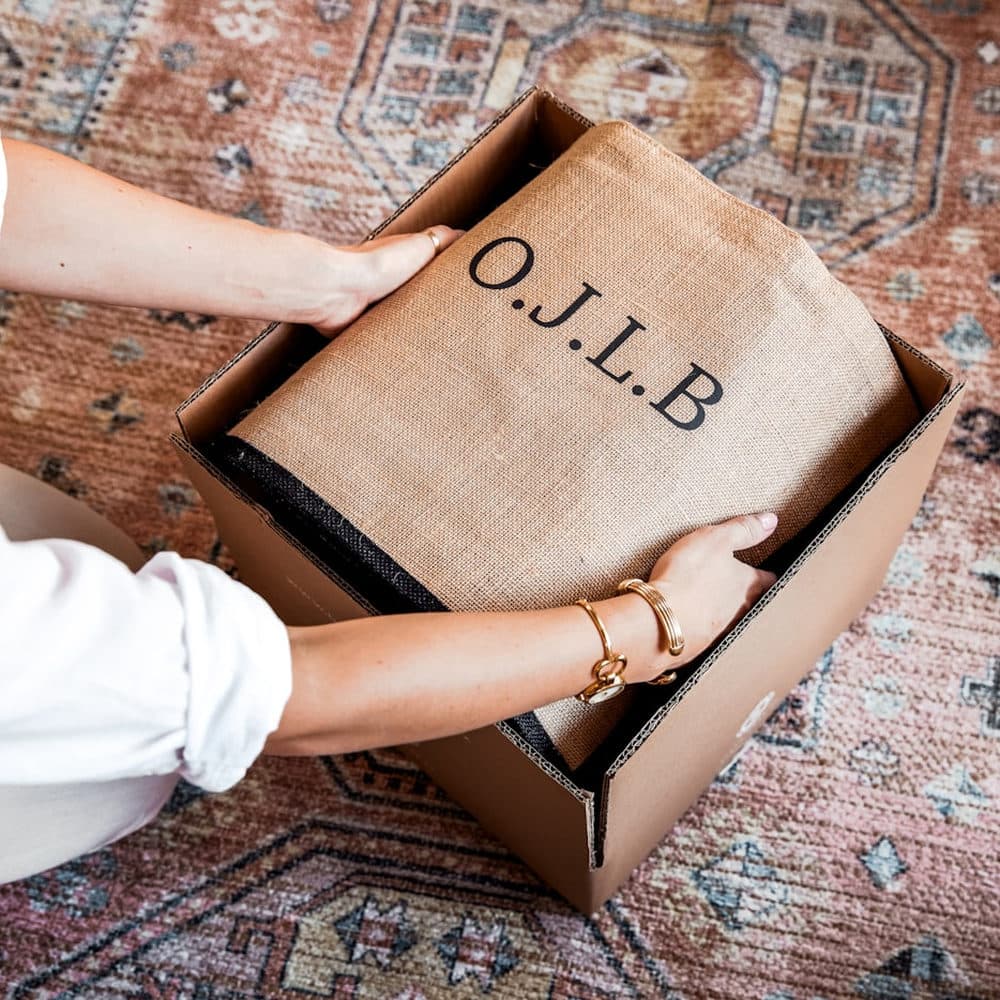
In modern retail, the box often matters as much as the hoodie. Internal drops can deliver a similar sense of intention. Packaging sets the tone before anyone even touches the product and signals the level of care the organization brings to its people.
Useful packaging details include:
• Custom printed boxes sized to the kit, not oversized and half-empty
• Branded tissue and stickers that echo your core visual system
• Inserts that articulate the story of the drop in a few clear, concise lines
• Thoughtful folding and layout so the hero piece is the first item employees see
Next, choreograph the reveal. Treat it as a launch, not just a shipment. That might mean:
• Timed ship dates for new-hire cohorts, so they all unbox within the same week
• Seasonal refreshes, such as an early March spring reset kit to lift the mood and update closets
• Internal teasers on Slack, email, or office screens that hint at color, theme, or silhouettes
Personalization at scale elevates the experience and keeps it human while still operating within corporate constraints. Simple moves can have significant impact:
• Printed name notes written in a brand-consistent voice
• Role-based variations, such as distinct accessories for sales, product, and operations
• QR codes that link to a styling mini-guide, a short brand film, or a message from leadership
The objective is a full experience, not just a box on a desk. When employees feel like they are part of a coordinated drop rather than on a distribution list, engagement and adoption follow.
From One-Off Swag to a Structured Drop Calendar
Many organizations order swag only when a need appears: a board meeting, a hiring spike, a last-minute intern class. The result is often rushed, conservative, and forgettable. Moving to a drop calendar introduces structure and long-term value.
A simple merch drop plan can be mapped to:
• Hiring peaks like spring and late summer
• Major product launches, rebrands, or funding milestones
• Culture moments such as anniversaries, offsites, or all-hands events
• Seasonal shifts that influence how people actually dress day to day
With a calendar in place, you can measure performance and refine each release. Track:
• Redemption rates and waitlists for specific items and sizes
• What employees wear most on video calls and in the office
• Which pieces appear on social channels, and how people style them
• Feedback from people teams on what resonated and what underperformed
That data shapes your next capsules: silhouettes you repeat, color stories you extend, and packaging concepts you elevate. Over time, internal merch evolves into an ongoing design and engagement program instead of a series of one-time orders.
At DMerchandising Inc., this is our focus: aligning brand, apparel, and packaging so internal drops feel as considered as retail capsules, from the first sketch to the final unboxing on a kitchen table or office desk, while meeting the operational needs of corporate programs.
Ready to Design Your Next Internal Drop
Employee swag kits and branded gift sets do not have to feel like generic conference materials. When they take the right cues from streetwear and modern retail, they become the pieces employees reach for first, on weekends, at airports, and in group photos that communicate your brand without a caption.
When merch looks and feels like something an employee might have selected from a favorite shop, they do more than accept it. They integrate it into their real wardrobes and carry your brand into the world in a way that feels authentic. That is the benefit of treating internal swag as a strategic drop program, not just a procurement duty.
Elevate Your Team Experience With Thoughtful Branded Gifting
Our team at DMerchandising Inc. is ready to help you design curated employee swag kits and branded gift sets that reflect your culture and values. We partner with you to choose premium products, tailor the unboxing experience, and ensure every detail feels intentional and on-brand. Whether you are welcoming new hires, celebrating milestones, or planning a company-wide recognition program, we make it simple to deliver memorable, gift-ready experiences. Reach out today so we can start turning your next employee gifting idea into a polished reality.
Frequently asked questions
How do you make employee swag people actually wear?
Design it as clothing first. Silhouette, fit and fabric weight determine whether a piece enters someone's wardrobe; logo size determines whether it stays in a drawer. Start from a story rather than a supplier catalogue.
What is a merch drop calendar?
A planned schedule of releases across the year rather than orders raised whenever a need appears. It removes rush production, allows proper design time, and creates anticipation internally the way a retail release does.
Does packaging matter for internal merchandise?
Yes. Packaging sets expectations before the product is touched and signals how much thought went into the whole thing. Internal kits are one of the few times a company controls that moment completely.
Can a corporate programme really work like streetwear?
The structure translates even when the aesthetic does not. A story, a tight range, a release moment and a considered box are process decisions, and they are compatible with procurement requirements and lead times.