Rethinking Branded Uniforms as a Fashion-Forward Asset
Learn how tailored uniforms and corporate apparel can boost brand image, unify teams, and deliver a fashion forward look across every customer touchpoint.
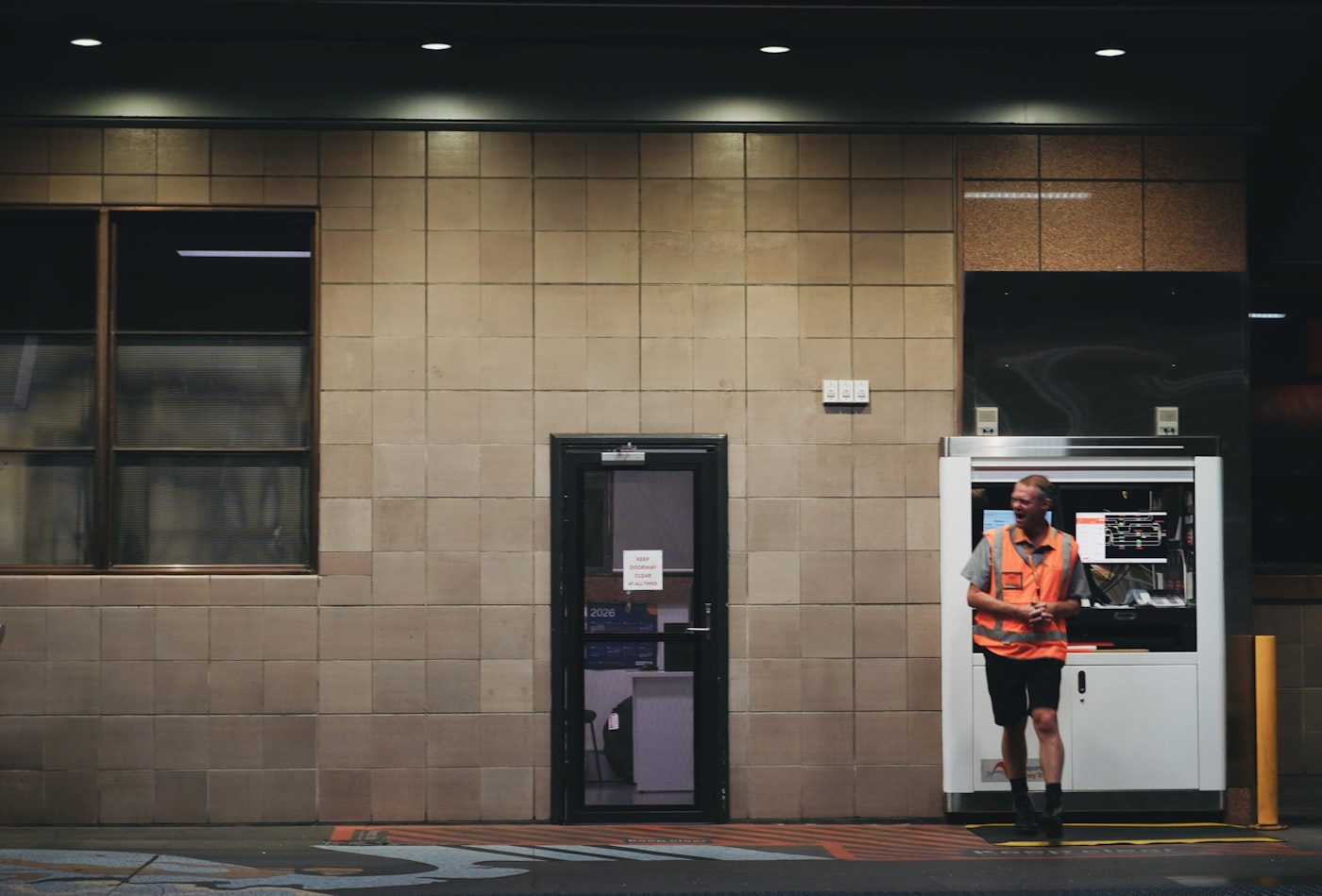
Uniforms are read before anyone speaks. Treat them as a wardrobe system with modular sizing, role-appropriate lines and layerable pieces, align them with packaging and merchandising, and make the case on cost per wear rather than unit price.
- Fabric, fit and finishing tell a customer what to expect from the brand before any interaction happens.
- One-size-fits-all does not match how real teams look. Modular sizing with proper grading, tailored lines by role, and gender-inclusive styles that still read as one team.
- Design a wardrobe rather than an outfit: interchangeable tops and bottoms, layerable knitwear and outerwear, and footwear guidance that stays on brand.
- Signal seniority through trim, finish or an accessory rather than a different garment, so the team still reads as unified.
- Make the business case on cost per wear and lifecycle. Better materials hold colour and structure longer and slow the replacement cycle.
Uniforms should work harder than a basic logo on a polo. When teams walk into a space, what they wear can instantly signal taste, service level, and how much the brand cares about details. Outdated fits and generic fabrics send one message. Tailored, fashion-led uniforms send a very different one.
Right now is a smart time to rethink what your team wears. Employees expect more flexibility and self-expression, hybrid work has changed how people dress, and brands are leaning into experience as spring traffic picks up. Uniforms are no longer just a dress code; they sit at the intersection of fashion, function, and culture.
At DMerchandising Inc., we focus on turning that intersection into a clear advantage. We create tailored uniforms and corporate apparel that feel current and thoughtful, then tie them into coordinated packaging and merchandising so the brand story is consistent from outfit to unboxing.
Why Style-Driven Uniforms Outperform Standard Issue
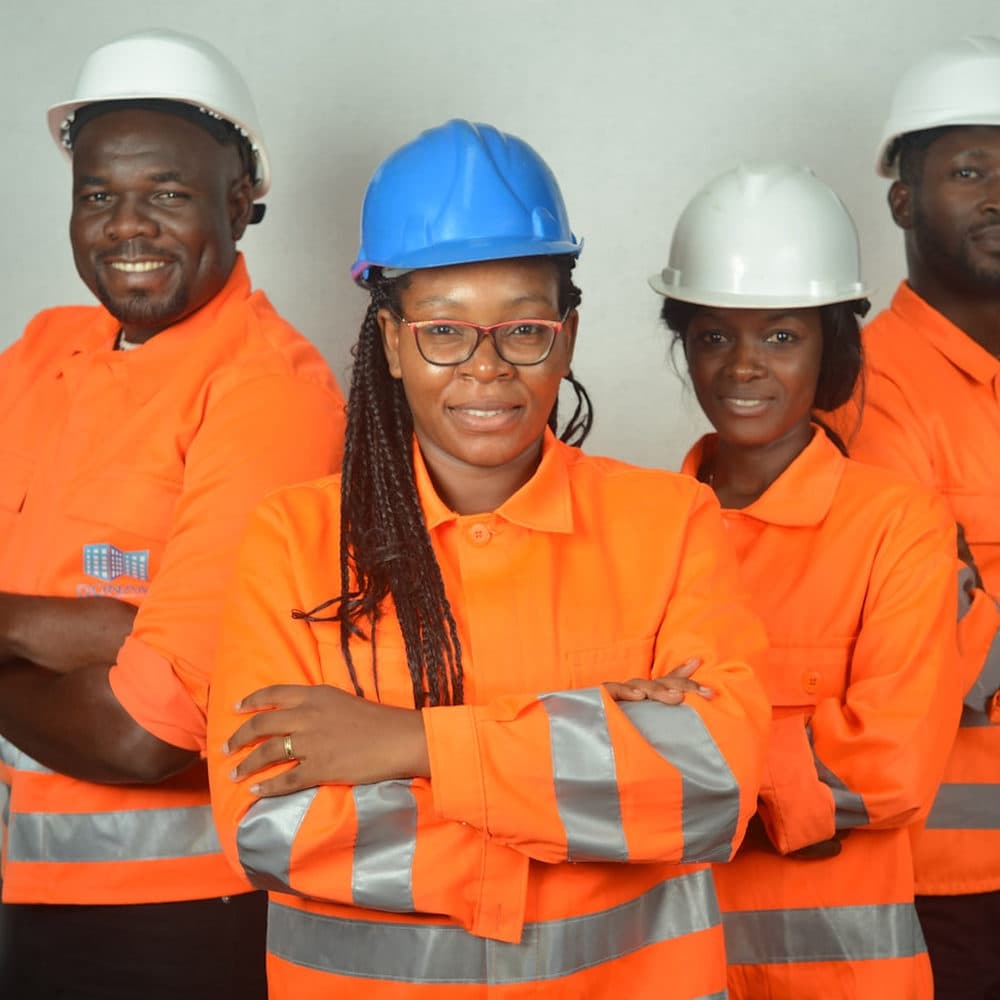
Uniforms speak before anyone says a word. Fabric, fit, and finishing details tell customers what to expect from your brand.
When uniforms are style-driven, they work harder in several ways:
- Branding you can see and feel
- Employee confidence you can notice on the floor
- Guest-facing polish that boosts every interaction
High-quality fabric, clean stitching, and considered trims send cues about care and trust. A shirt that keeps its shape, a blazer with a smooth lining, or a knit that drapes nicely all hint at reliability and attention to detail. Customers read that, even if they cannot name it.
Then there is how people feel wearing the clothes. When cuts are flattering, sizes are inclusive, and silhouettes feel current, employees stand a little taller. They are more likely to:
- Wear the uniform proudly off-site
- Share photos on social media
- Treat the outfit as part of their personal style
That confidence shows up in service and energy. In guest-facing spaces, elevated uniforms also shape the full experience. A cohesive look photographs better, supports brand storytelling across channels, and makes on-site moments feel premium, whether it is a lobby, a retail floor, or a special event.
Rethinking Tailored Uniforms and Corporate Apparel
The old one-size-fits-all approach does not match how real teams look and work. A modern program treats uniforms like a system, not a single piece.
Fit-focused systems can include:
- Modular sizing with thoughtful grading
- Tailored lines for different roles
- Gender-inclusive styles that still feel unified
For example, front-of-house teams might wear more structured pieces while support roles get softer, movement-friendly options, yet everyone still looks clearly part of one brand family.
Style-forward does not have to mean trend-chasing. We focus on fashion-led, not fashion-fad. That means:
- Pulling color stories from current fashion without locking into overly bold shades
- Using textures and fabrics that feel current but hold up across seasons
- Balancing modern cuts with timeless shapes
Role-specific elegance is another layer. Small, smart distinctions can signal seniority or department without breaking cohesion. This might show up through:
- Subtle changes in trim or buttons
- Slightly different fabric finishes for leadership
- Accessories that cue role, like a scarf, tie, or pin
The result is a floor or office where everyone looks coordinated, but not cloned.
Designing a Wardrobe, Not a Single Uniform
People do not live in just one outfit, and neither should your brand. A uniform program can function like a capsule wardrobe built for real workdays.
A strong capsule might include:
- Interchangeable tops and bottoms
- Layerable knitwear and outerwear
- Flexible footwear guidelines that still feel on-brand
This makes it easier to adapt to weather, events, or personal comfort. For places that see colder winters and softer spring days, layering is key. Lightweight shirts under structured vests, soft jackets over dresses, and breathable fabrics that handle temperature swings all keep the team comfortable and polished.
Seasonal refreshes are a smart way to keep things feeling new without starting over. You can add:
- Lighter fabrics as temperatures rise
- A fresh accent color for spring campaigns
- New layering pieces that pair with existing cores
Accessories are a quiet powerhouse here. Scarves, belts, bags, lanyards, and badges can shift the energy of a look with minimal change to the base pieces. They are also great tools to sync uniforms with:
- Product launches
- Limited-time events or pop-ups
- Loyalty or VIP programs
Aligning Uniforms, Packaging, and Merchandising
Uniforms work best when they are part of one visual language. When apparel, packaging, and merchandising are aligned, the brand feels more intentional at every touchpoint.
That might look like:
- Shared color palettes across uniforms, bags, and boxes
- Repeating trims or textures from apparel in display materials
- Graphic elements that carry from garment labels to in-store signage
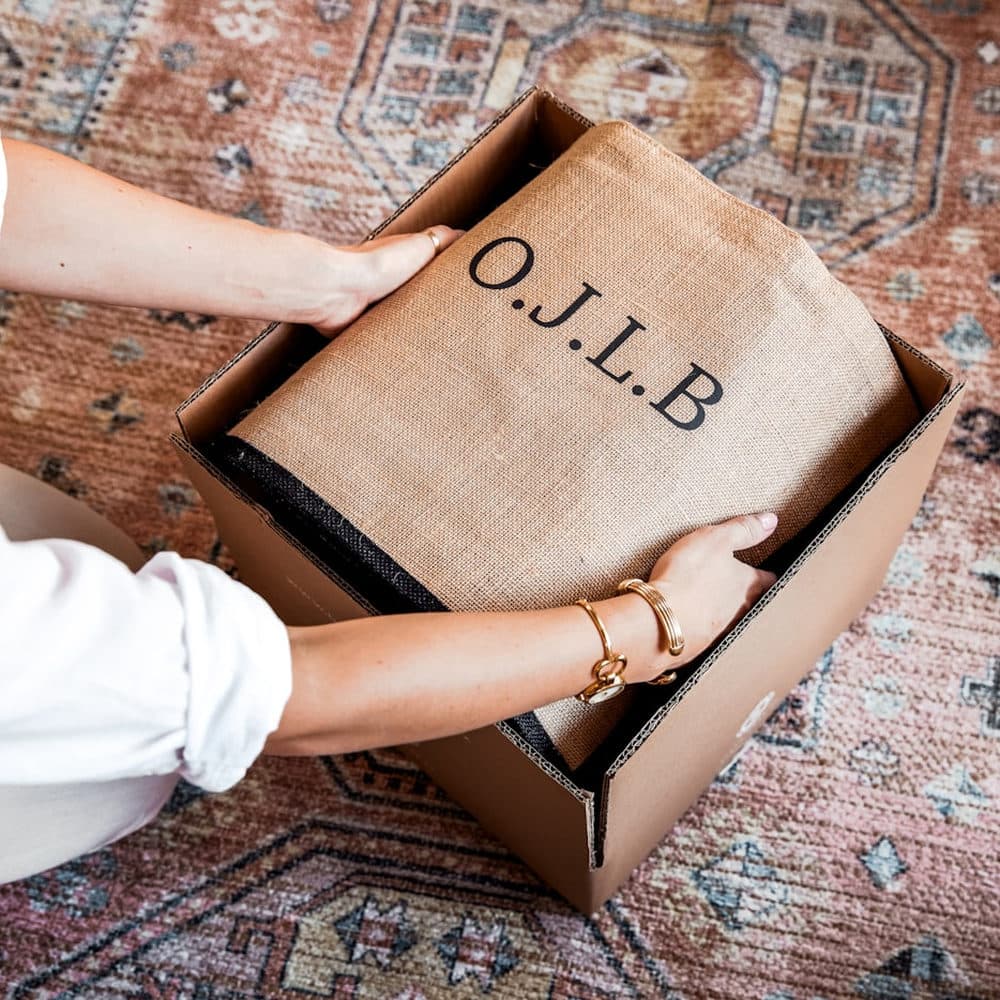
Guests sense that harmony. The greeting they receive from a well-dressed team member connects naturally to the bag they carry out the door or the box they open at home. Luxury packaging, thoughtful tags, and consistent materials turn each interaction into a small unboxing moment in real life.
For brands with multiple locations, keeping all of that aligned can feel complex. This is where a turnkey approach matters. With a coordinated program, sourcing, production, and distribution are handled in a way that helps:
- New locations open already on-brand
- Existing locations update without confusion
- Corporate teams spend less time chasing details and more time shaping strategy
Making the Business Case for a Uniform Refresh
A style-forward program is not just about looking nice; it is a business decision. One helpful way to see it is through cost-per-wear and lifecycle value. Quality materials and construction tend to:
- Hold color and structure longer
- Resist everyday wear and tear
- Reduce the pace of replacements
That adds up to a cleaner look on the floor, day after day.
You can also track the impact in simple, practical ways. Some useful KPIs include:
- Employee satisfaction with uniforms and comfort levels
- Customer feedback or NPS shifts after a rollout
- Time spent in-store or on-site
- Organic social content that features staff and spaces
Rolling out change thoughtfully is important. Phased pilots, starting with a few locations or departments, give space to gather feedback. Adjusting based on what teams say helps the final look feel authentic, not forced. Clear communication, fit sessions, and small training moments on how to style pieces all support smoother adoption.
When tailored uniforms and corporate apparel are treated as a fashion-forward asset, your team becomes your most visible, moving brand statement. Every greeting, every photo, every checkout moment starts to tell the same polished story.
Elevate Your Brand With Custom-Fit Workwear Solutions
Bring your team's look, comfort, and professionalism together with our expertly designed tailored uniforms and corporate apparel. At DMerchandising Inc., we work closely with you to understand your brand, your work environment, and your employees' needs. From initial concept to final fitting, we prioritize quality, consistency, and on-time delivery. Let us help you build a cohesive, polished image that your staff is proud to wear.
Frequently asked questions
Why invest in better uniforms?
Because they are read as a statement about the brand before any interaction, and because better construction lowers cost per wear. Quality materials hold colour and shape longer, which slows the replacement cycle.
How do you make uniforms inclusive without losing consistency?
Modular sizing with proper grading, more than one fit where it matters, and gender-inclusive styles built on a shared colour and detail language. The unity comes from the system rather than from identical garments.
How should seniority be shown in a uniform?
Through small changes in trim, buttons, fabric finish or an accessory such as a scarf or pin. Changing the garment entirely breaks the visual unity that makes a uniform work in the first place.
How do you measure a uniform refresh?
Employee satisfaction with fit and comfort, customer feedback or NPS movement after rollout, and organic social content featuring staff. Cost per wear covers the financial side.